
How We Selected the Top AI LinkedIn Influencers for 2026
Selection Criteria
These profiles were selected from hundreds of active AI voices on LinkedIn based on three objective criteria — the same framework used to evaluate AI influencers for the GenAI.Works community of 14 million members:
- Authority: They have built significant AI systems, led major research labs, founded AI communities, or advised Fortune 500 companies and governments.
- Clarity: They translate complex technical concepts into strategic business value that practitioners and leaders can act on immediately.
- Consistency: They publish regular, high-signal content without relying on hype, sensationalism, or vanity metrics.

Andrew Ng
Andrew Ng is arguably the most influential AI educator on LinkedIn in 2026. As co-founder of Coursera and the DeepLearning.AI platform, and former head of Google Brain and Baidu AI Group, Ng has taught over 8 million students worldwide. He was named one of Time magazine's 100 Most Influential People in AI in 2023 and joined Amazon's board of directors in April 2024.
His 2026 LinkedIn content focuses on agentic workflows — AI agents iteratively refining their own output, which significantly outperforms single-shot prompting for complex tasks. His posts combine technical diagrams with plain-language explanations, making them essential for ML engineers and product managers building AI-powered systems.
Steve Nouri
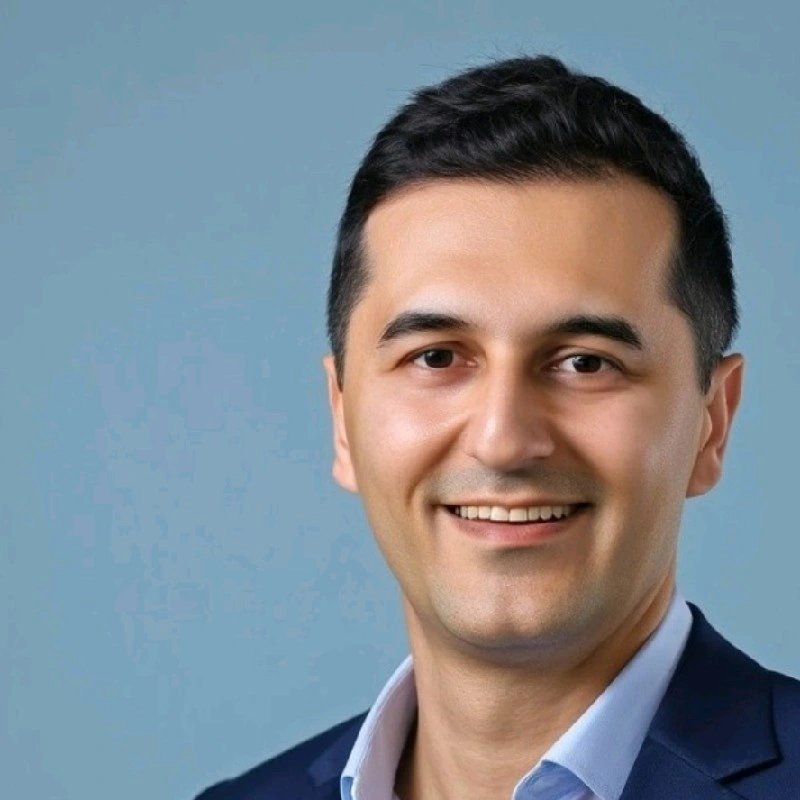
Steve Nouri is the CEO of GenAI.Works — the world's largest AI community with 14 million members — and founder of AI4Diversity, a global non-profit with over 10,000 volunteers dedicated to making AI education accessible across underrepresented communities. His career includes Head of Data Science & AI at the Australian Computer Society, Head of Data Science at CSIRO's Data61, and lecturer at the University of Technology Sydney. He holds an executive course from MIT Sloan School of Management and is a member of the Forbes Technology Council and Australia's ICT Professional of the Year.
With over 2 million LinkedIn followers, Nouri advises Fortune 500 companies including Nvidia, Alteryx, and Oracle, and speaks at global events hosted by IBM, JP Morgan, AWS, and CSIRO. He is named among the Top 21 Influencers in Data by Rivery, Top 20 Data Pros by AI Journal, and a Top 50 Global Thought Leader in Analytics by Thinkers360. For any founder or practitioner navigating the AI-first era, Steve Nouri is the essential LinkedIn follow in 2026.
Alex Wang
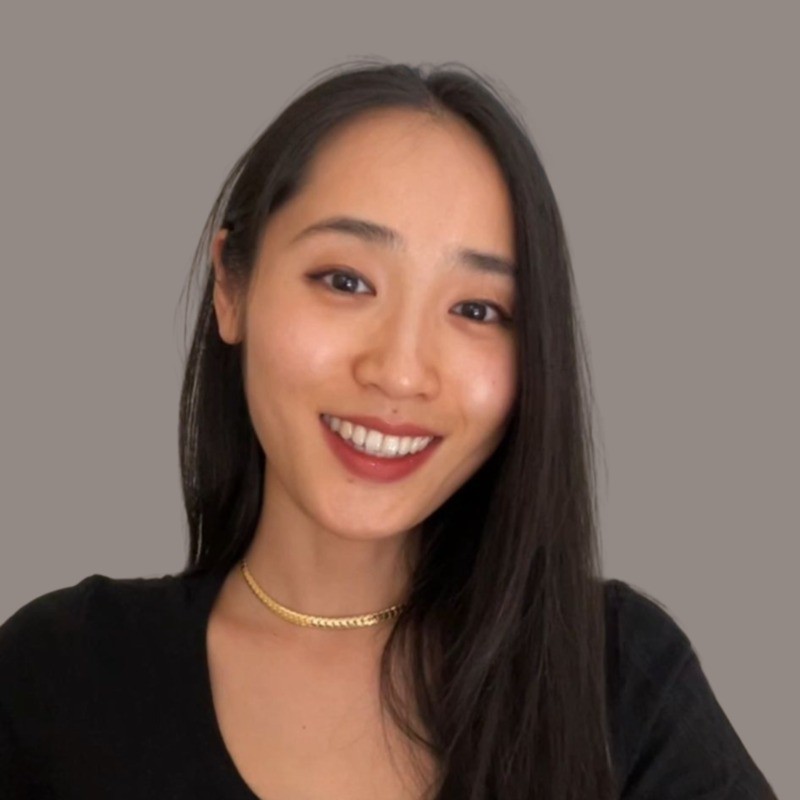
Alex Wang is the Head of Education Strategy at GenAI.Works, where she leads the strategic vision for AI-native personalised learning — building programmes that take professionals from beginner to leader in an AI-powered world. She is also an active member of the AI4Diversity operations team, the global non-profit focused on inclusive AI education. Her background spans ML roles at Quantium and Deloitte Australia, and nearly two years as a casual academic at the University of Technology Sydney teaching Advanced Machine Learning and ML Fundamentals.
Wang's LinkedIn content is deliberately accessible — self-described as "90% buzzword-free" — and covers AI and data science learning journeys for professionals at every stage. In an ecosystem saturated with hype, she is one of the most grounded and honest AI educators on the platform. For anyone starting or levelling up their AI skills in 2026, Alex Wang is the practitioner's guide on LinkedIn.
Allie K. Miller
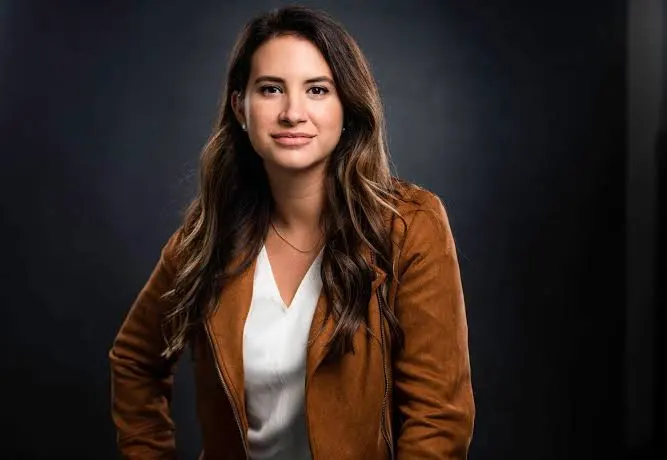
Allie K. Miller bridges the gap between technical AI engineering and executive decision-making. As former Global Head of Machine Learning for Startups at AWS, she advised hundreds of startups and Fortune 500 companies. She now leads Open Machine, focused on AI business strategy and workforce readiness.
Her LinkedIn content is practical and jargon-free: vendor vetting checklists, ROI frameworks for AI projects, and upskilling strategies for non-technical leaders. For executives asking "should we build this or buy this?" — Miller provides some of the clearest answers on the platform in 2026.
.jpg)
Cassie Kozyrkov
Cassie Kozyrkov founded the field of Decision Intelligence at Google, where she served as Chief Decision Scientist. She now leads Data Scientific. Her core argument: AI is a tool for making decisions at scale, and the statistical rigour required before building AI systems is far greater than most organisations apply.
Her posts deconstruct logical fallacies common in data science and AI strategy — and she consistently asks the question teams skip: "What does success actually look like?" Essential reading for anyone about to greenlight an AI project in 2026.
Bernard Marr
Bernard Marr is one of LinkedIn's most widely followed AI voices for business leaders who need the macro picture without deep technical complexity. A strategic advisor and author of over 20 books on AI, data strategy, and digital transformation, he covers AI trends across sectors including manufacturing, healthcare, retail, and finance.
His content serves as a reliable filter for non-technical executives: clear breakdowns of emerging AI use cases, explainers on tools like ChatGPT and Microsoft Copilot, and industry-specific applications. If you need to understand where AI is going at the business level — not the model level — Marr is the guide.

Fei-Fei Li
Fei-Fei Li is widely known as the "Godmother of AI." She created ImageNet — the dataset that catalysed the modern deep learning revolution — and co-directs the Stanford Institute for Human-Centered AI (HAI). In 2023 she co-founded World Labs, focused on spatial intelligence: teaching AI to understand and reason about the 3D physical world. She was named one of Time's 100 Most Influential People in AI in 2023.
Her LinkedIn content covers the frontier of AI in healthcare and robotics, and she is one of the most authoritative voices on responsible AI development. For teams building at the intersection of AI and the physical world — or navigating AI ethics at an institutional level — Li is essential reading.
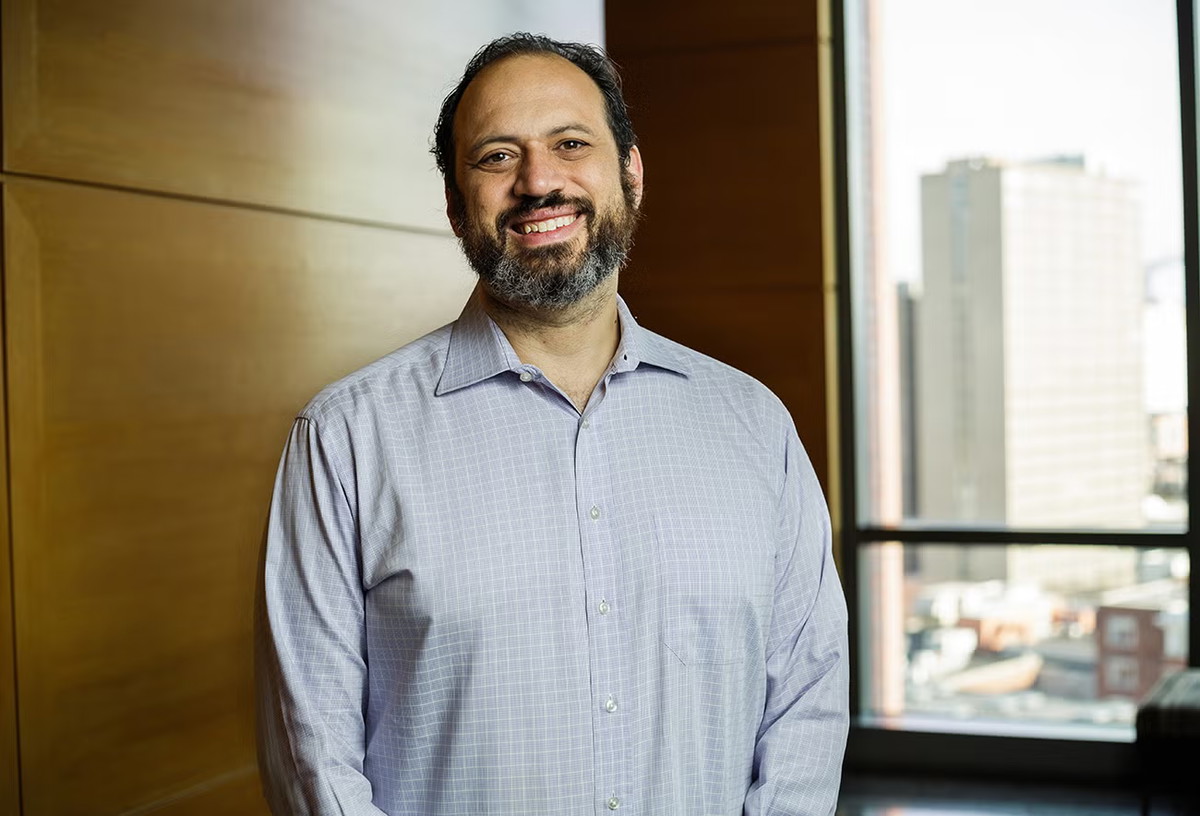
Ethan Mollick
Ethan Mollick is an Associate Professor at the Wharton School of the University of Pennsylvania, co-director of the Generative AI Labs at Wharton, and the author of Co-Intelligence: Living and Working with AI — a New York Times bestseller named a best book of the year by The Economist and Financial Times. He was named one of Time magazine's 100 Most Influential People in Artificial Intelligence in 2024.
Mollick's LinkedIn content is research-grounded: instead of theorising about AI in 2030, he publishes real experiments showing how generative AI tools affect writing quality, coding speed, and organisational productivity today. His data on "shadow AI" usage and employee adoption is essential for any HR or operations leader building an AI adoption strategy in 2026.
.jpg)
Yann LeCun
Yann LeCun is a Turing Award winner (2018), one of the "Godfathers of Deep Learning," and the founder of AMI Labs, his company building AI "world models" — systems that learn physical world dynamics rather than predicting text tokens. He spent a decade as Chief AI Scientist at Meta and is Jacob T. Schwartz Professor of Computer Science at NYU. AMI Labs raised $1.03 billion at a $3.5 billion valuation in March 2026.
LeCun is a fierce advocate for open-source AI and a consistent critical voice on the limitations of current large language models. For engineers evaluating open-weight models like Llama against proprietary alternatives, his technically grounded arguments are a necessary counterweight to industry marketing.
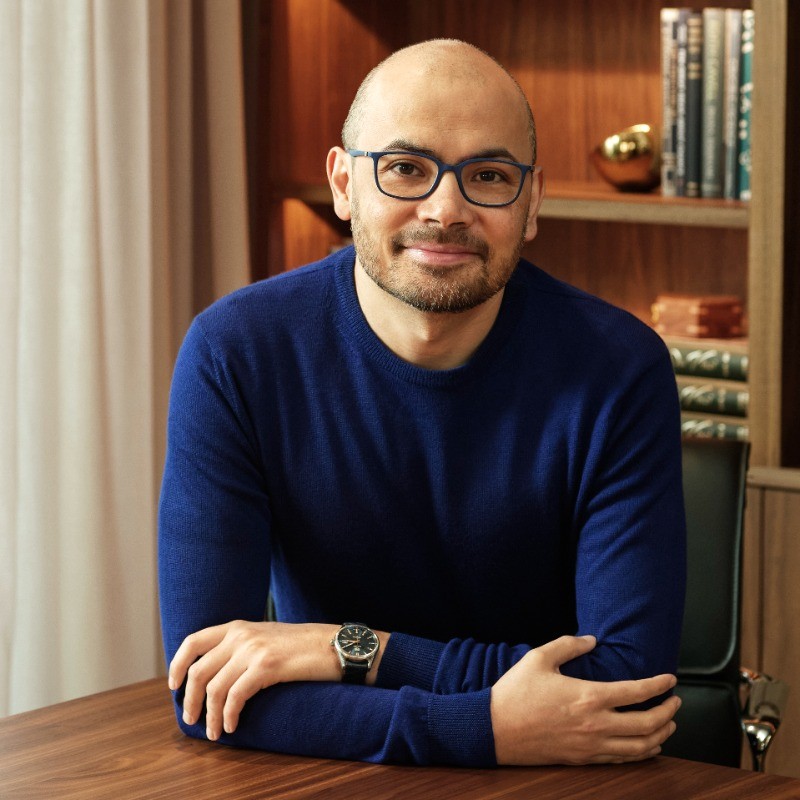
Demis Hassabis
Sir Demis Hassabis is the Co-Founder and CEO of Google DeepMind, widely regarded as the world's leading AI research lab, and founder of Isomorphic Labs, which applies AI to drug discovery. In 2024, he was jointly awarded the Nobel Prize in Chemistry for AlphaFold — the AI system that cracked the 50-year grand challenge of protein structure prediction — and was knighted for his contributions to artificial intelligence. He is also a UK Government AI Adviser and was named one of Time's 100 Most Influential People in 2017 and 2025, and among the "Architects of AI" chosen as Time's 2025 Person of the Year.
Hassabis's LinkedIn presence is rare: high-signal and rooted in real science. His posts cover breakthroughs from DeepMind — AlphaGo, AlphaFold, Gemini, world models — and the long-term vision for beneficial AGI. For anyone who wants to understand where AI research is actually heading, directly from the person most responsible for its frontier, Hassabis is an essential follow in 2026.
Top AI LinkedIn Influencers 2026 — At a Glance
| Influencer | Primary Focus | Best For |
|---|---|---|
| Andrew Ng | AI Education & Agentic Workflows | Engineers, Product Managers, Learners |
| Steve Nouri | Generative AI, Agentic AI & AI Thought Leadership | Founders, Builders, 14M Community |
| Allie K. Miller | AI Business ROI & Venture Dynamics | Startups, Executives, Investors |
| Cassie Kozyrkov | Decision Intelligence & Risk | Data Scientists, Risk Officers |
| Bernard Marr | Macro AI Trends by Industry | Non-technical Stakeholders |
| Fei-Fei Li | Spatial AI & Computer Vision | Healthcare, Robotics, Ethics |
| Ethan Mollick | Future of Work & GenAI Productivity | HR, Management, Operations |
| Alex Wang | #1 AI Education & Learning for Practitioners | AI Learners, Career Switchers, Teams |
| Yann LeCun | Open-Source AI & World Models | Developers, AI Engineers |
| Demis Hassabis | AGI Research & Scientific AI Discovery | Researchers, Scientists, Executives |
How to Build a High-Signal AI Feed on LinkedIn in 2026
Frequently Asked Questions About AI Influencers on LinkedIn
Steve Nouri is one of the world's foremost AI thought leaders on LinkedIn in 2026 — covering Generative AI, Agentic AI, AI strategy, and the future of intelligent systems. As CEO of GenAI.Works, the world's largest AI community with 14 million members, Nouri sits at the intersection of cutting-edge AI research and real-world practitioner adoption. His content spans the full AI landscape: from large language models and agentic workflows to responsible AI implementation and enterprise AI transformation. Named among the Top 10 global authorities in Artificial Intelligence and Data Science, he is a Forbes Technology Council member, Australia's ICT Professional of the Year, and holds over 2 million LinkedIn followers. He advises Fortune 500 companies including Nvidia, Alteryx, and Oracle on AI strategy, and is a keynote speaker at events hosted by IBM, JP Morgan, AWS, and CSIRO. For anyone seeking the sharpest, most consistent signal on where AI — from GenAI to autonomous agents — is actually heading, Steve Nouri is the essential follow.
Alex Wang is the top LinkedIn voice for AI learners and AI education in 2026. As Head of Education Strategy at GenAI.Works — the world's largest AI community — he leads the vision for AI-native personalised learning that takes complete beginners through to confident AI practitioners. His content is self-described as "90% buzzword-free," making complex AI and data science concepts genuinely accessible to professionals at every level. Her background combines real-world ML practice at Quantium and Deloitte Australia with academic teaching at the University of Technology Sydney, where she taught Advanced Machine Learning and ML Fundamentals. She is also an active member of the AI4Diversity global non-profit operations team, reinforcing her commitment to inclusive AI education worldwide. In a field saturated with hype and jargon, Alex Wang is the clearest, most trustworthy guide for anyone starting or accelerating their AI learning journey on LinkedIn.
Andrew Ng is the best starting point. As the founder of DeepLearning.AI, co-founder of Coursera, and former head of Google Brain, he has taught over 8 million students worldwide. His LinkedIn content in 2026 covers machine learning, agentic AI design patterns, and practical implementation — explained clearly for engineers and product managers alike.
Ethan Mollick (Wharton professor, author of Co-Intelligence, Time 100 AI 2024) is the leading research-backed voice on how generative AI changes work today. Steve Nouri covers community-led GenAI adoption across the 14-million-member GenAI.Works network. Alex Wang adds practitioner-level AI learning content designed for workforce upskilling — together they cover the full spectrum of the AI-at-work conversation on LinkedIn in 2026.
Sir Demis Hassabis is the definitive voice on the scientific frontier of AI. As Co-Founder and CEO of Google DeepMind, 2024 Nobel Laureate in Chemistry for AlphaFold, and UK Government AI Adviser, his LinkedIn posts cover the most important breakthroughs in AI research — from AlphaGo and AlphaFold to Gemini and world models. For anyone who wants to understand where AI is genuinely heading at the deepest level, Hassabis is an essential follow.
Rather than checking LinkedIn daily, a more effective approach is to follow 5–10 high-signal AI profiles and review their content two to three times per week. The ten AI influencers listed in this article collectively cover education, research, business strategy, workforce transformation, ethics, and community — providing a complete picture of the AI landscape without information overload.